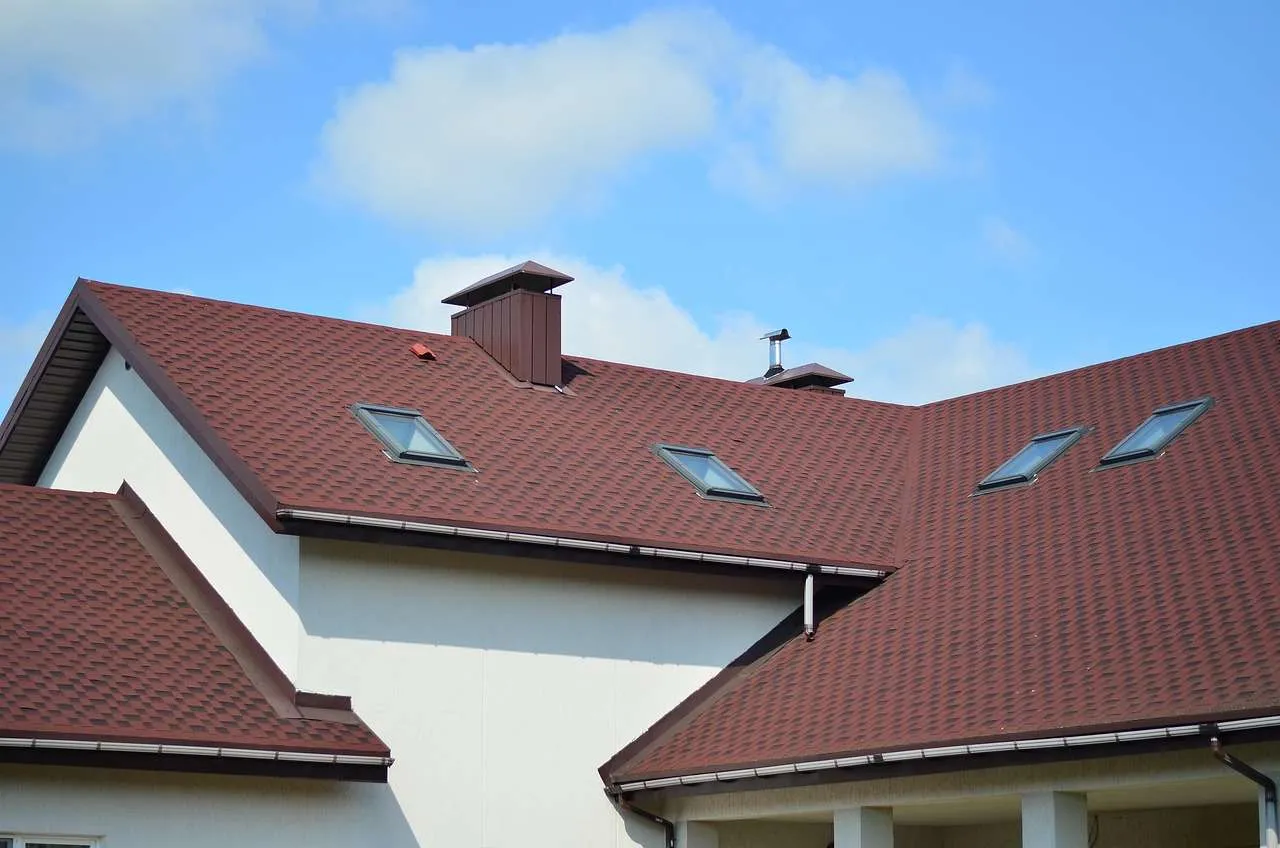
What is tpo roofing?
TPO roofing stands for thermoplastic polyolefin, a popular single-ply membrane used on flat and low-slope roofs. It is typically manufactured as a flexible sheet that is heat welded at the seams, producing a watertight, durable surface. TPO membranes are commonly white or light gray, chosen for their high solar reflectance which helps reduce cooling costs in warm climates. The material is valued for its balance of affordability, performance, and ease of installation when performed by qualified roofers.
Benefits of tpo roofing
- Energy efficiency: Its reflective surface minimizes heat absorption, lowering attic temperatures and cooling costs year round.
- Durability and repairability: TPO is resistant to UV radiation, ozone, and many chemicals, with seams that can be heat welded for strong, long-lasting bonds.
- Cost effectiveness: Compared with some PVC systems, TPO often offers a competitive price point while delivering similar lifespan when properly installed.
- Flexibility and installation: The membranes are lightweight and relatively easy to transport, with options for fully adhered, mechanically attached, or ballasted systems depending on roof structure.
- Recycling and environmental footprint: Many TPO products contain recycled content and 100 percent recyclable materials at end of life, depending on the manufacturer and system.
Common drawbacks and considerations
- Quality varies by manufacturer: Not all TPO sheets are created equal; performance hinges on fabric quality, gelcoat, and the welding process. Choose products with established warranties from reputable brands.
- Wind uplift and installation issues: Improper edge detailing or seam welding can lead to premature leaks, especially on windy roofs. Always hire experienced installers with a proven track record.
- Color options: White or light gray are most common; darker colors exist but offer less reflective value and higher heat gain in sun-heavy regions.
- Climate considerations: In colder climates or heavy snow zones, some contractors combine TPO with insulation upgrades and drainage design to mitigate winter-related issues.
Installation and maintenance tips
Proper installation is critical for long-term performance. A professional roofer will inspect substrate conditions, ensure clean surfaces, and select the appropriate fastening method and seam welding technique. After installation, routine maintenance includes removing debris, inspecting seams after severe weather, and scheduling periodic roof inspections every 2–3 years. Promptly address any ponding, bulges, or fastener issues to prevent leaks and deterioration.
TPO Roofing vs Alternatives
| Feature | TPO | EPDM | PVC |
|---|---|---|---|
| Material | Single-ply thermoplastic | Ethylene propylene diene monomer | Chlorinated polyvinyl chloride |
| Durability | 15–30 years common life | 20–40 years | 20–30 years |
| UV and chemical resistance | Excellent UV stability | Good UV resistance, oils can be an issue | |
| Energy efficiency | High reflectivity option | Moderate reflectivity | Moderate to high reflectivity |
| Cost | Typically mid-range | Lower upfront cost | Higher upfront cost |
| Installation | Requires heat welding | Seams taped or glued | Heat welded or mechanically joined |
| Best uses | Flat roofs with energy goals | Low-slope roofs on a budget | Commercial or industrial where longevity matters |
How to choose a TPO contractor
Select a contractor with proven experience installing TPO on similar roofs. Look for warranties covering material and workmanship, and ask for references or case studies. Verify that they use high-quality membranes from reputable brands, provide in writing a detailed project plan, and explain the expected maintenance plan after installation. A transparent quote should include substrate prep, seam welding method, number of fasteners, flashing details, and drain work. Don’t hesitate to request photos of completed projects and to check online reviews or local certifications.
FAQs
How long does a TPO roof last? With proper installation and maintenance, a TPO roof typically lasts 15 to 30 years, depending on climate, foot traffic, and membrane quality. Regular inspections can detect seam issues, punctures, or membrane wear early.
Is TPO reflective? Yes, most TPO membranes are white or light-colored to reflect sunlight, contributing to energy savings in warm climates.
Can TPO be repaired? Small leaks from punctures or seam separations can often be repaired with heat-welded patches or sealants; serious damage may require membrane replacement of the affected area.
Conclusion, tpo roofing offers a durable, energy efficient option for flat and low-slope roofs when installed by skilled professionals. By weighing material quality, warranty terms, climate considerations, and ongoing maintenance, homeowners and building managers can make informed decisions that maximize performance and value.