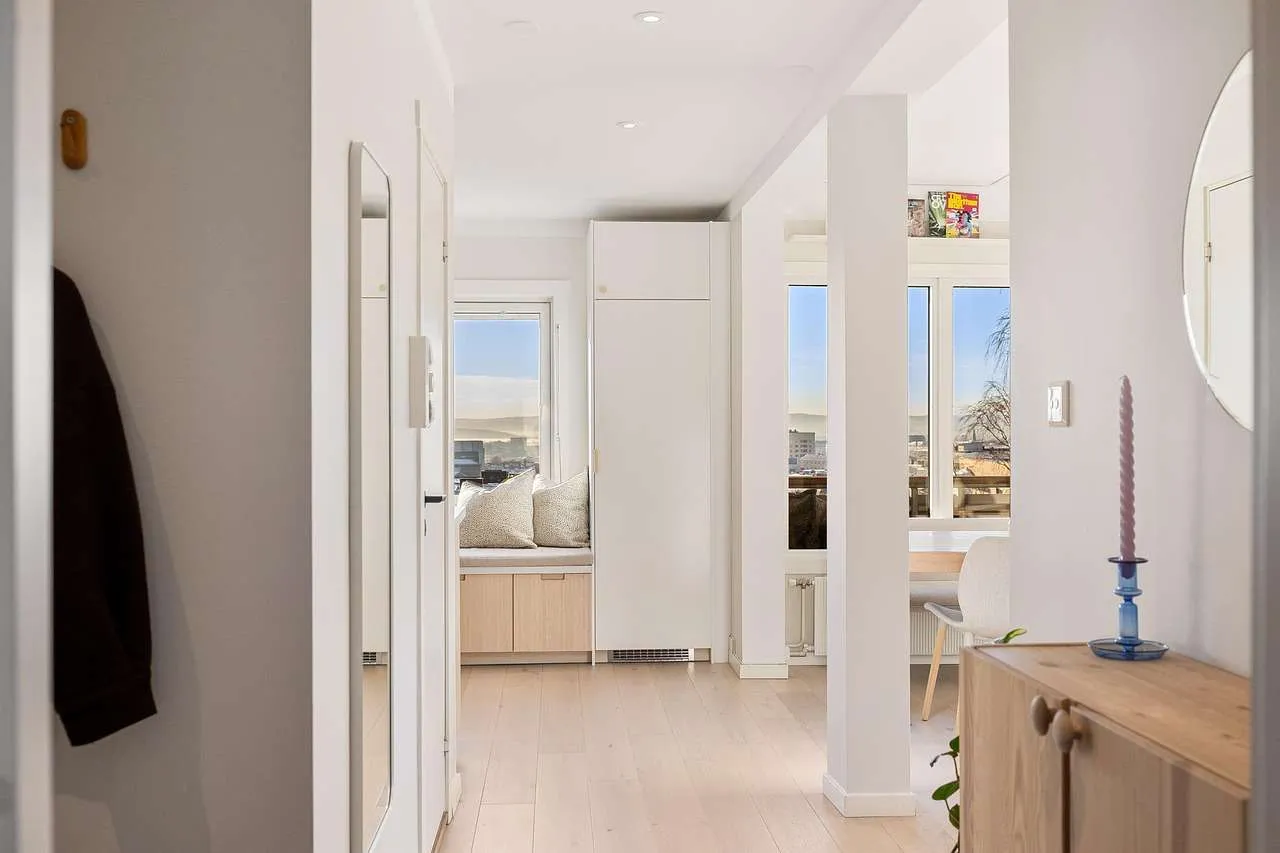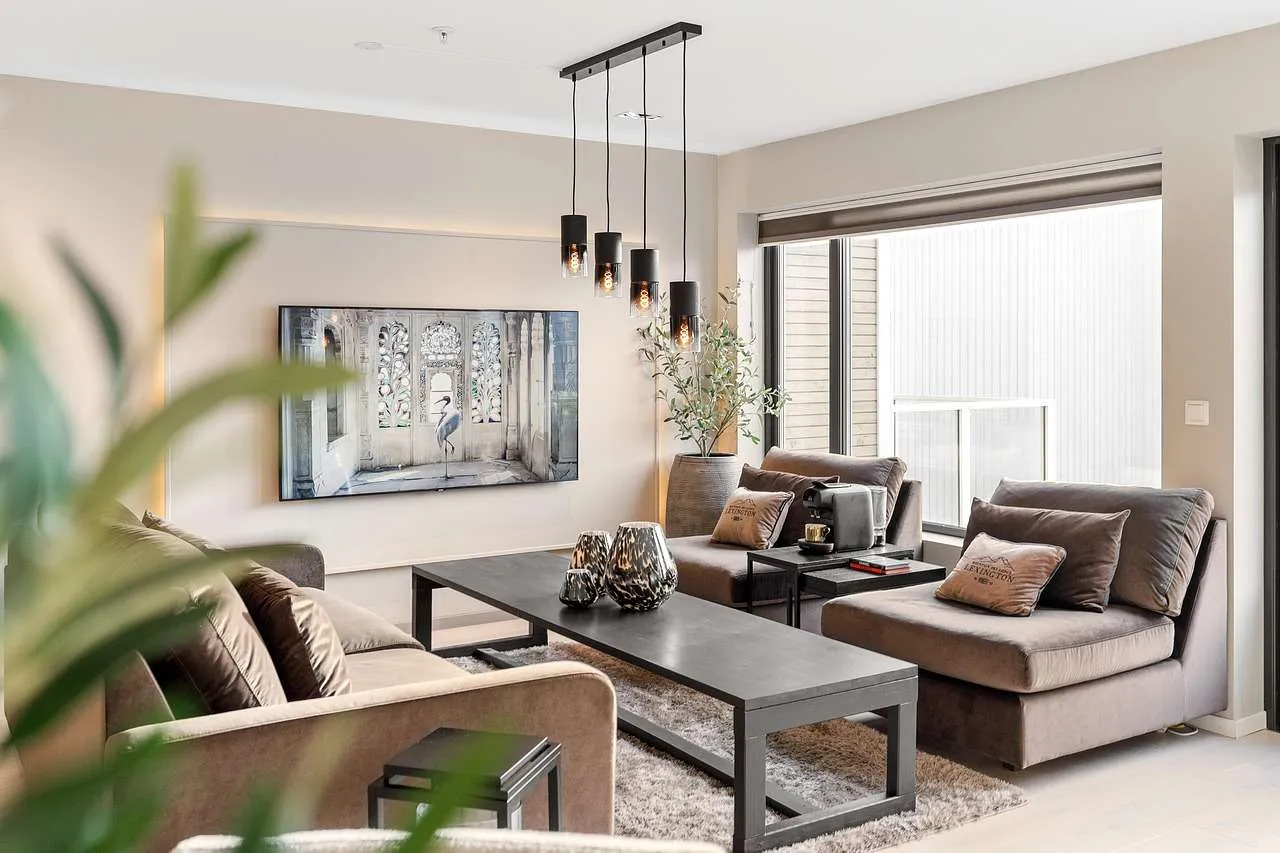
What is window tint for home?
Window tint for home is a practical upgrade that applies a thin film to residential glass to control heat, glare, and UV exposure. Quality films can improve comfort, protect furnishings, and help lower energy bills over time.
Benefits of window tint for home
- Energy savings by reducing solar heat gain
- UV protection to preserve fabrics and floors
- Glare reduction for screens and bright rooms
- Increased privacy without heavy drapes
- Enhanced safety by holding shattered glass together
Types of window tint for home
Dyed window film
Dyed films absorb solar energy to reduce heat and glare. They are usually the most affordable but can show color changes over time and may not offer the best UV protection.
Metalized window film
Metalized films reflect heat and provide good strength and durability but can interfere with electronics and create a mirrored look at certain angles. They offer strong privacy and moderate UV protection.
Ceramic window film
Ceramic films use ceramic particles to reject heat while maintaining clarity. They offer excellent UV rejection, high heat control, and minimal color change; they tend to be higher in price but deliver top performance.
Low-E window film
Low-E coatings are designed to reflect infrared heat while letting visible light pass, often improving energy efficiency without sacrificing view. These are ideal for climate control and preserving indoor lighting quality.
Nano-hybrid or advanced films
Nano-hybrid combines ceramic and other technologies to balance heat rejection, UV protection, and cost, offering strong performance and good durability.
How to choose the right tint for home
Key criteria include UV rejection, heat rejection, visible light transmission VLT, privacy level, and warranty. Consider room use, orientation of windows, and climate. Check product data sheets for UV rejection percentages and SHGC (solar heat gain coefficient) values. For front-facing windows in many regions, maintain a minimum VLT to meet local regulations.
Also evaluate installation quality. A professional installer will ensure proper cleaning, precise film cutting, and a durable edge seal to prevent peeling. If you opt for DIY kits, be prepared for careful surface preparation and potential voiding of some warranties.
Installation options and care
Professional installation offers the best guarantee of even tinting, long-term adhesion, and warranty coverage. It typically costs more than DIY but reduces risk of bubbles, peeling, or improper fit. DIY films can be suitable for small projects or rentals with permission, provided you follow manufacturer instructions carefully.
Care and maintenance include waiting for the film to cure after installation, avoiding abrasive cleaners near the edge seals, and cleaning with mild soap and water. Do not use ammonia-based cleaners on some films as they can degrade adhesives.
Cost, ROI and warranty
Prices vary by film type, window size, and region. Typical installed costs range from a few dollars per square foot to over ten dollars per square foot for premium ceramic or nano-hybrid films. Heavier heat rejection and higher UV protection often come with higher upfront costs but can yield energy savings and reduced interior fading over time, offering a favorable return on investment when measured over several years.
Table: Comparison of window tint types
| Type | Heat Rejection | UV Rejection | Privacy | Cost | Durability |
|---|---|---|---|---|---|
| Dyed | Moderate heat rejection | Moderate UV rejection | Low to moderate privacy | Low to moderate cost | Medium durability |
| Metalized | Good heat rejection | Good UV rejection | High privacy | Moderate cost | High durability |
| Ceramic | Excellent heat rejection | Excellent UV rejection | Low glare, moderate privacy | High cost | Excellent durability |
| Low-E | Strong heat control | Excellent UV rejection | Moderate privacy | Moderate to high cost | Good durability |
| Nano-hybrid | Very good heat rejection | Excellent UV rejection | High privacy | Moderate to high cost | Very good durability |
Legal and safety considerations
Local regulations may set minimum light transmission requirements for front and side windows. Ensure the tint complies with visible light transmission standards and safety codes. High quality films retain heat control and reduced glare without compromising safety glass strength. Always work with licensed installers to maintain warranty and compliance.
Summary: Window tint for home offers a balance of comfort, energy savings, and privacy when selecting the right film and professional installation, while ensuring compliance with local regulations.