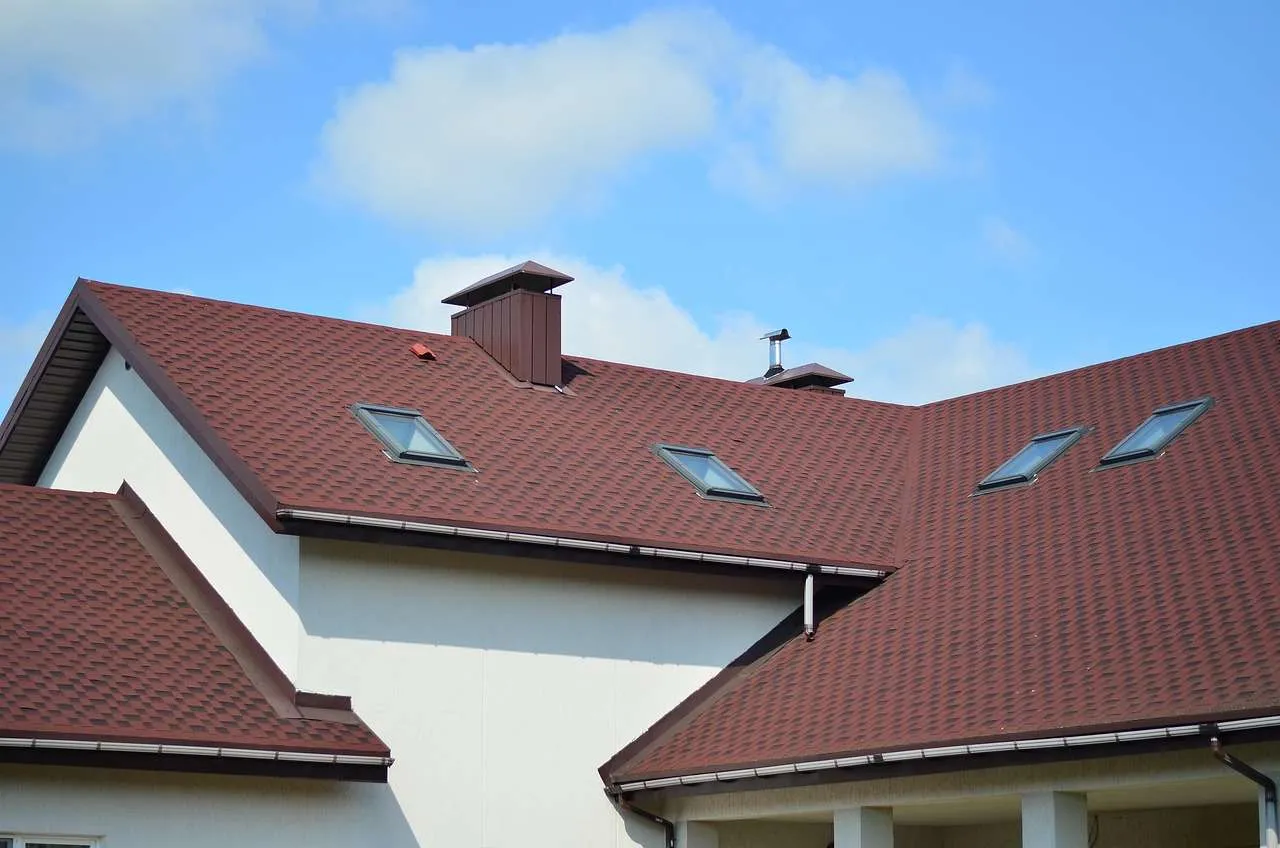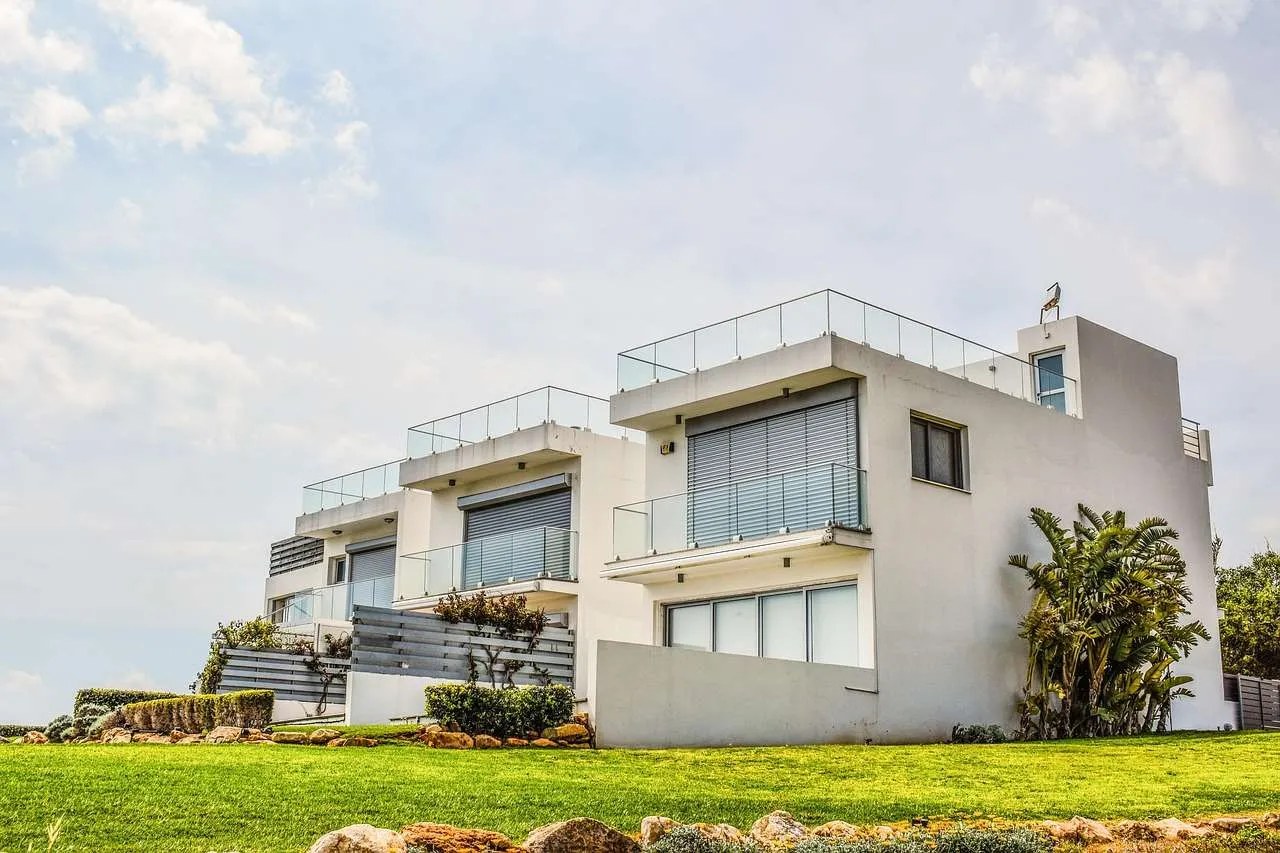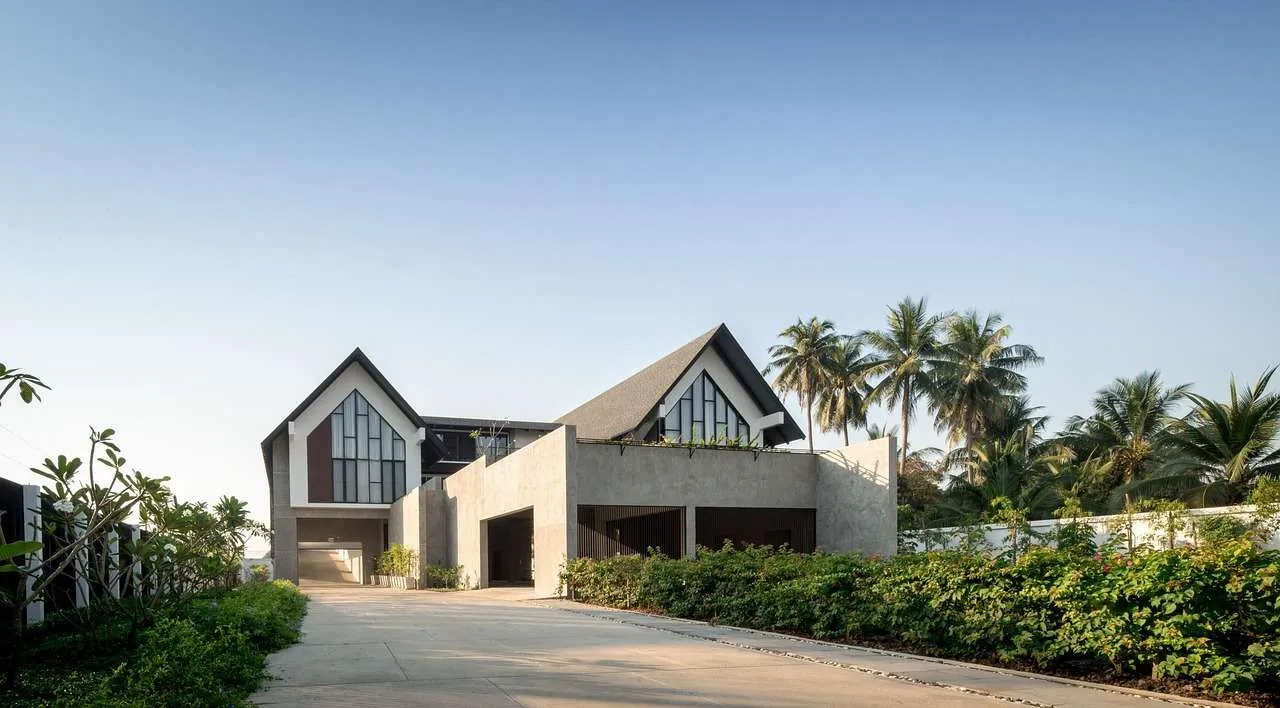
With demand for long lasting, low maintenance roofing rising, metal roofing panels have become a leading choice for both homes and commercial buildings. This guide explains what metal roofing panels are, the main profiles and materials, the benefits, and how to choose and care for them to maximize performance and value. Written with industry practices in mind, the content supports expert decision making and trustworthy installations.
What are metal roofing panels?
Metal roofing panels are modular sheets made from steel, aluminum, copper, or zinc alloys that interlock or overlap to keep water out. They come in profiles that affect aesthetics, wind resistance, and water shedding efficiency. Typical lifespans range from 40 to 70 years, depending on material, coating, environment, and maintenance. Unlike traditional shingles, metal panels offer high wind resistance and a lighter roof structure, which can simplify installation and reduce structural reinforcement needs.
Common panel profiles
- Standing seam: concealed fasteners and interlocking edges create a sleek look with superior water tightness.
- Exposed fastener panels: visible screws along the panels make for cost effective and faster DIY or contractor installations.
- Corrugated panels: classic ridges that provide strength and a bold architectural style, popular for retro and farm structures.
Materials and finishes
The most common substrates are steel and aluminum. Steel offers strength and affordability but benefits from protective coatings to resist corrosion, especially in harsh or humid environments. Aluminum is lighter and naturally resistant to corrosion, making it a good choice for coastal areas. Copper and zinc deliver premium aesthetics and excellent longevity but come at a higher price. Coatings such as PVDF or silicone modified polyester improve color retention and weather resistance, while colors affect heat absorption and cooling loads. In coastal or industrial zones, consider corrosion resistant alloys and premium finishes to extend life and maintain appearance.
Benefits of metal roofing panels
Durability is the standout advantage. Metal panels resist cracking, warping, and rot far better than many other roofing options. They handle heavy winds and hail well, which translates into lower risk of punctures and leaks. Energy efficiency can be enhanced with reflective or cool coatings, lowering cooling costs in hot climates. Metal roofs are often lighter than tile or concrete, reducing structural load and installation time. Maintenance requires fewer interventions, typically limited to periodic inspections, fastener checks, and occasional cleaning to remove debris or moss. Fire resistance is another notable benefit, as many metal roofs achieve high fire ratings when installed with appropriate underlayment and flashing.
Choosing the right panels
Climate, weight, and installation
In harsh climates with heavy rain or snow, standing seam systems provide superior water tightness and longer service life due to their concealed fasteners. For simpler or budget conscious projects, exposed fastener panels offer straightforward installation but require careful sealing and periodic maintenance to prevent leaks and corrosion.
Coatings, color, and warranties
Look for PVDF or Kynar 500 coatings for long lasting color stability and UV resistance. Lighter colors reflect more heat, helping reduce cooling loads in sunny regions. Verify warranties that cover coating integrity, panel perforation or corrosion, and the contractor installation guarantee. A robust warranty often correlates with better coatings and reputable manufacturers.
Cost, maintenance, and life cycle
Initial costs for metal roofing panels are generally higher than asphalt shingles but can be competitive with tile when considering life cycle costs. Expect higher upfront material and installation expenses, but lower long term maintenance and replacement costs. Regular inspections, resealing fasteners, and cleaning to remove salt spray, debris, or algae will maximize life span. In coastal regions, select corrosion resistant substrates or protective coatings to extend life and preserve appearance. A well planned replacement cycle and proper installation are key to maximizing return on investment.
Comparison and performance table
| Aspect | Metal Roofing Panels | Asphalt Shingles | Clay/Concrete Tiles |
|---|---|---|---|
| Durability | Excellent; 40–70+ years | 15–30 years | 30–60 years |
| Wind resistance | Very high | Moderate | Moderate to high |
| Weight | Low to moderate | Light to moderate | |
| Maintenance | Low; periodic checks | Moderate | Low to Moderate |
| Cost (materials) | Moderate to high | Low to moderate | High |
| Energy efficiency | Good with reflective coatings | Neutral | Neutral |
Professional guidance and installation
To ensure EEAT, work with licensed contractors and follow manufacturer installation instructions. A qualified installer ensures proper fastening, flashing details, and ventilation to prevent moisture buildup. If replacing an existing roof, plan for disposal and assess the roof deck structure for adequacy. Request a written warranty and a detailed installation plan before work begins.
Maintenance best practices
- Inspect fasteners and seals annually and tighten or reseal as needed.
- Keep gutters clear to prevent water backing up and panel uplift.
- Clean debris, check for signs of corrosion, especially near coastlines or industrial zones.
- Follow manufacturer recommendations for coating refresh or repaint intervals.
Engaging a reputable contractor who can provide ongoing maintenance guidance and a long term service plan will help protect your investment and maintain the roof’s performance and appearance.
Conclusion, metal roofing panels offer long term value by combining durability, energy efficiency, and design flexibility. With careful material selection, coating choices, and professional installation, homeowners and builders can achieve a roof that lasts for decades while reducing maintenance needs and energy usage.